
Keynote & Workshops
Learning to Be Human
What young people need to thrive in an AI-shaped world.
A practical framework and shared language for developing human capability through everyday teaching, learning and mentoring.
Keynote speakers and professional development workshops on AI in education for schools, universities and employers across Australia and New Zealand.
WHAT WE OFFER
Help young people develop the capabilities and experience they need to thrive. Delivered by Rebecca Maklad and Tāne Hunter, our sessions help schools, universities and workplaces explore how capability is built through learning, experience and practice.
Keynote & Workshops
What young people need to thrive in an AI-shaped world.
A practical framework and shared language for developing human capability through everyday teaching, learning and mentoring.
Keynote
Why the future of education and the future of work are the same conversation.
How schools, universities and employers can build better pathways for young people to gain experience, develop judgement and build expertise.
Your speakers
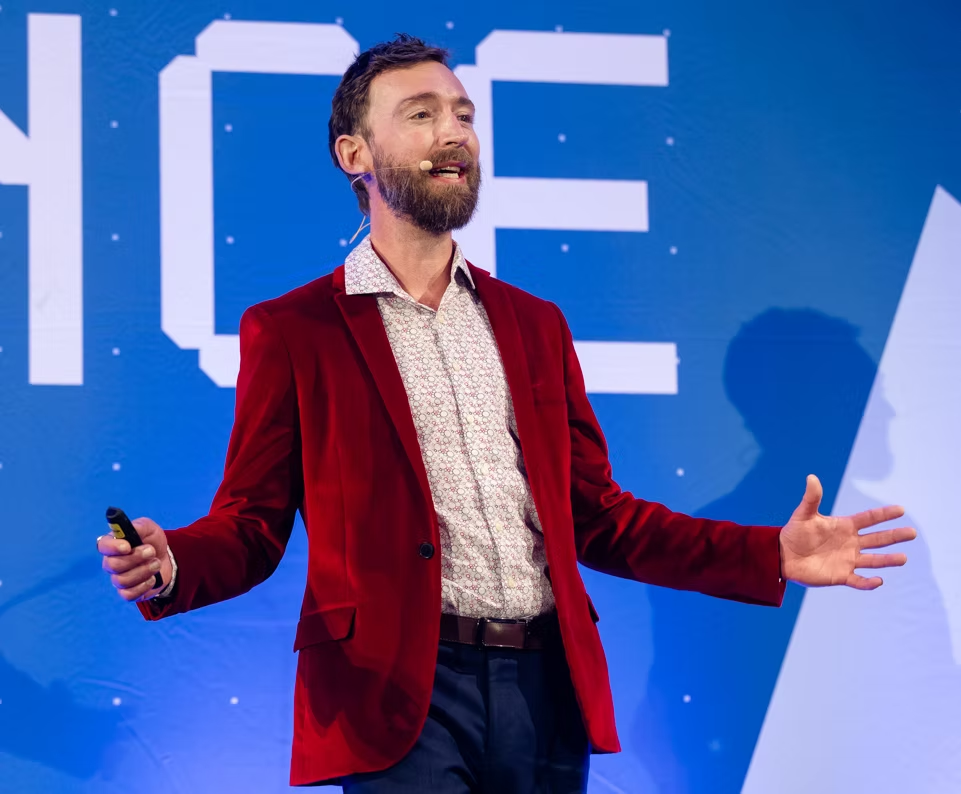
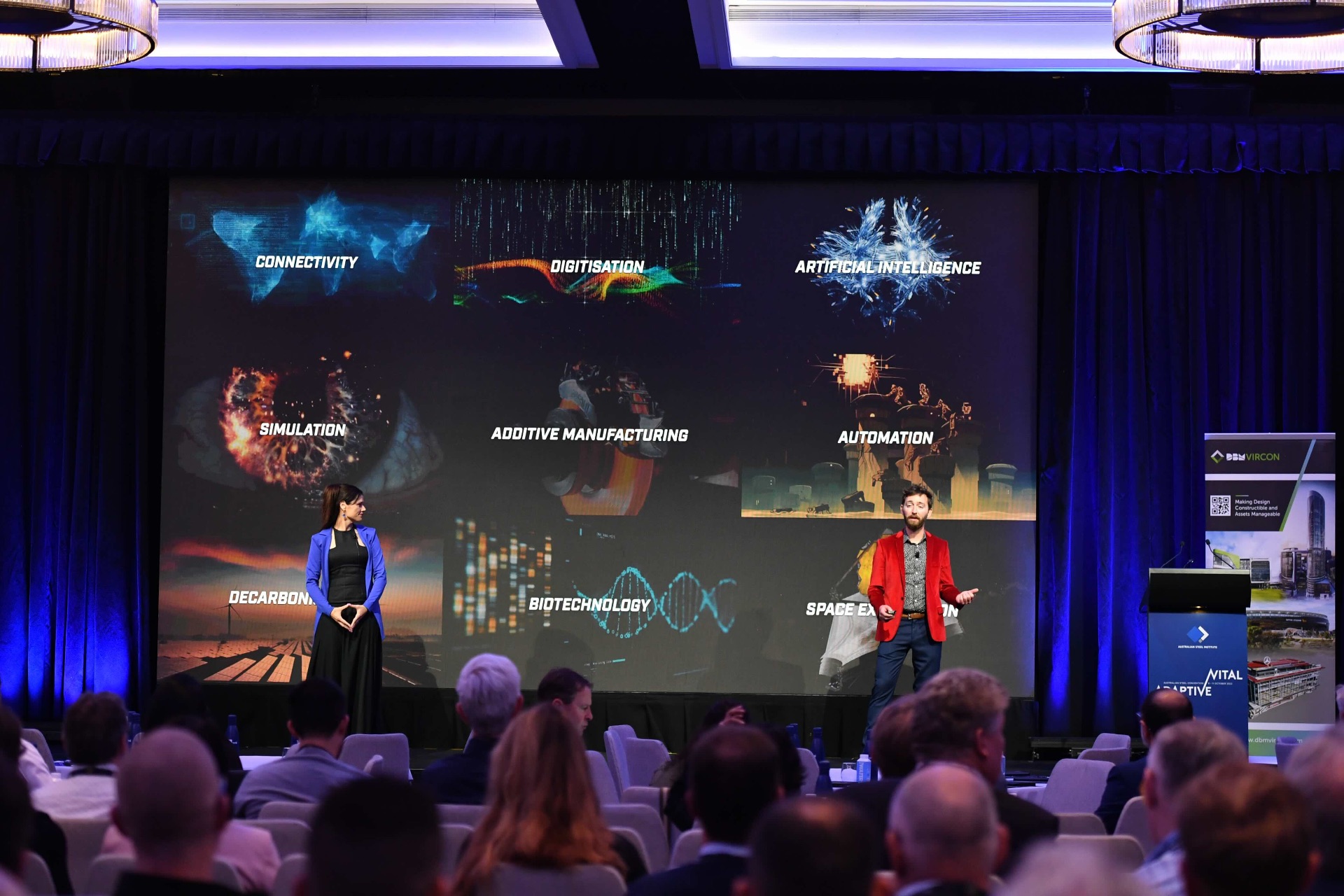
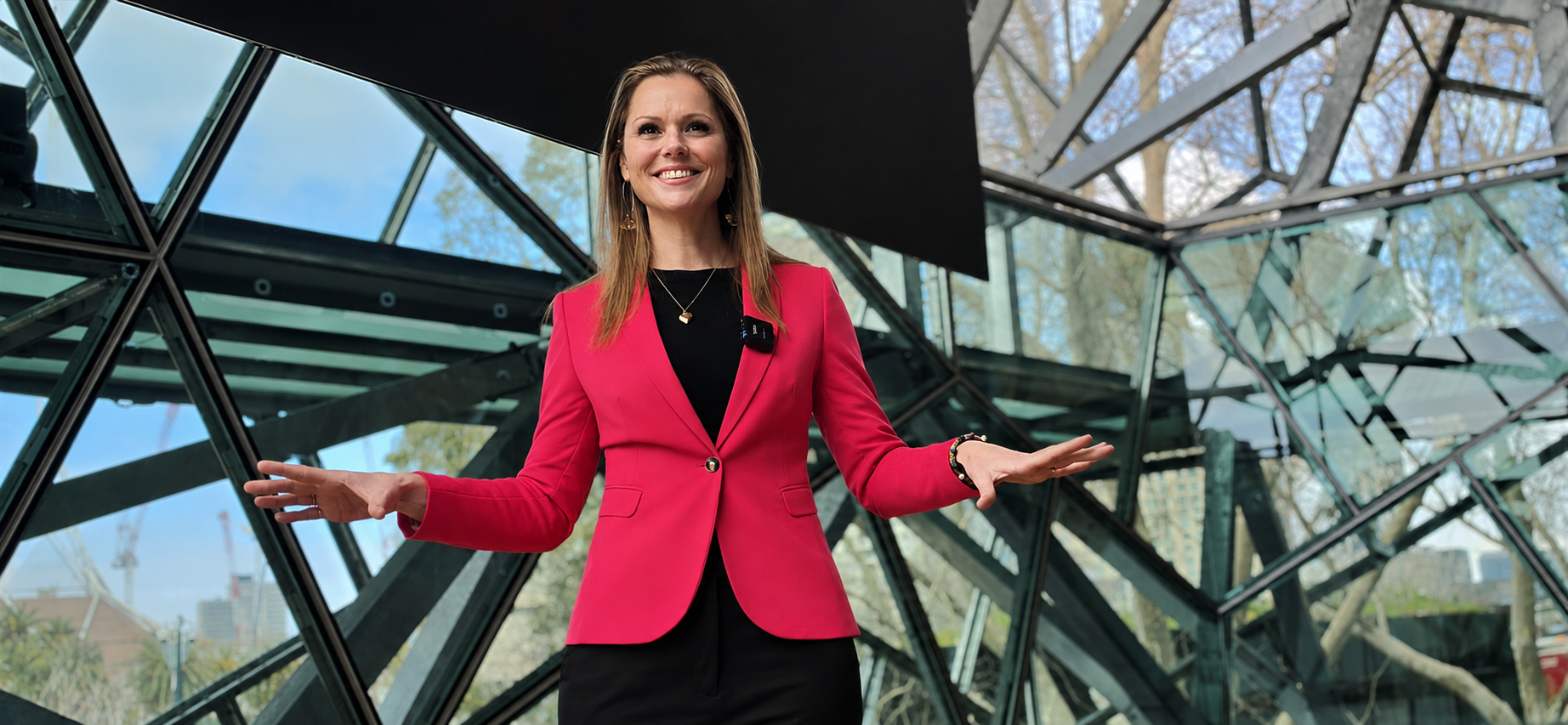
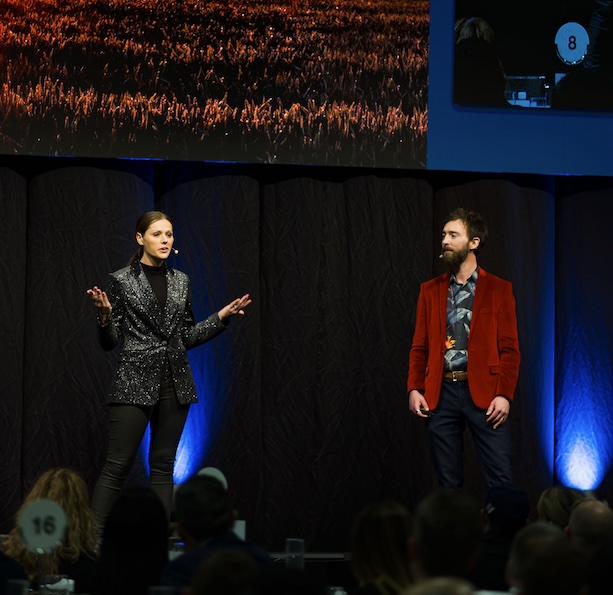
Researchers, storytellers and co-founders of Humanity Schools, Rebecca and Tāne connect the forces reshaping our world with the capabilities people need to navigate it. They bring experience from stages across Australia and internationally to the shared challenges facing education and work.
Meet the founders10+
Years on stage
500+
Keynotes delivered
5
Continents
"They immediately captured everyone's attention with their compelling stage presence and powerful brand of intelligent optimism."
Alex Edney
Head of Culture & Diversity, World Vision
On stage
Australia & beyond
Keynote & Workshops
What young people need to thrive in an AI-shaped world

Educators and those developing young talent are preparing people for a future we cannot fully predict. Knowledge remains essential. But access to answers does not automatically build the ability to question them, make good decisions or work well with others.
PwC’s 2026 AI Jobs Barometer found that new tasks in the most AI-exposed occupations were, on average, 2.5 times more human-intensive than those in the least exposed. Preparing young people for that future means developing their human capabilities today.
That preparation begins long before independent AI use: when a child asks “How do we know?”, works through a disagreement, tries another approach or explains a choice. It continues through university and early working life, as young people encounter unfamiliar problems, take responsibility and learn alongside others.
The session introduces the Learning to Be Human Framework: nine capabilities that help young people manage emotions and attention, make thoughtful choices, build relationships, solve problems together and respond to change.
Examples and activities are tailored to the adults in the room, whether they work in primary schools, secondary schools, universities or graduate development. The focus is on making capability development more deliberate through existing teaching, learning and mentoring experiences.
We cannot give young people certainty about the future. We can help them develop the capability to navigate it and the confidence to shape it.
Audiences leave with
A clear understanding of why AI makes human capability more important.
The Learning to Be Human Framework and a shared language for recognising and strengthening nine capabilities.
Practical ways to develop judgement, agency, collaboration and adaptability, tailored to the age and setting of the young people they support.
Approaches to reflection that help young people recognise progress and apply their learning in unfamiliar situations.
Keynote
Why the future of education and the future of work are the same conversation

For generations, junior work served two purposes. It produced an output and developed a person. Researching problems, writing first drafts and learning alongside experienced colleagues built context, confidence and professional judgement.
As AI takes on more of these tasks, we need to consider what happens to the learning they provided. We still need people who can question an answer, understand context and make sound decisions. Producing better work with AI does not automatically develop the expertise to judge it.
We may be automating the bottom rung of the career ladder before we have redesigned how people learn to climb it. But we also have an opportunity to build better pathways.
This keynote explores how schools and universities can develop human capability before young people enter work, and how employers can continue that development. From AI that strengthens thinking and feedback to real-world projects, intentional mentoring and redesigned apprenticeships, it examines how we create opportunities to practise, take responsibility and build expertise.
A learning society recognises that learning continues throughout life, across classrooms, workplaces and communities. Developing people is a shared responsibility. Education builds foundations; employers create opportunities to deepen and apply them; partnerships open new routes to experience. Together, they can strengthen talent pipelines and help people keep growing throughout their careers.
The future of work and the future of education are the same conversation. Building a learning society means turning that conversation into shared action, so that better performance today also develops the people we need tomorrow.
Audiences leave with
An understanding of how changing entry-level work affects the development of future talent.
Practical ways to build human capability earlier and prepare young people to use AI thoughtfully.
Approaches to AI-supported learning that strengthen understanding, independent thinking and judgement.
Starting points for mentoring, apprenticeships and education–employer partnerships that deliver an outcome and develop a person.
Delivery options
Choose a keynote to open up the conversation or a workshop to explore how to put the Learning to Be Human Framework into practice.
Research, stories and practical insights that give audiences a shared understanding and starting points for action. Available for Learning to Be Human and The Learning Society.
A professional development session exploring the Learning to Be Human Framework through discussion, reflection and activities tailored to your setting. Identify practical ways to strengthen capability through existing teaching and mentoring.
Full-day professional development working more deeply with the Learning to Be Human Framework. Apply the nine capabilities to your context and develop practical approaches to learning experiences, reflection and next steps.
Sessions are designed for educators, parents, leaders and employers, and can be adapted for university students and graduates. Content is tailored to your setting, from primary and secondary school to university and graduate development.
WHAT EVENT ORGANISERS SAY
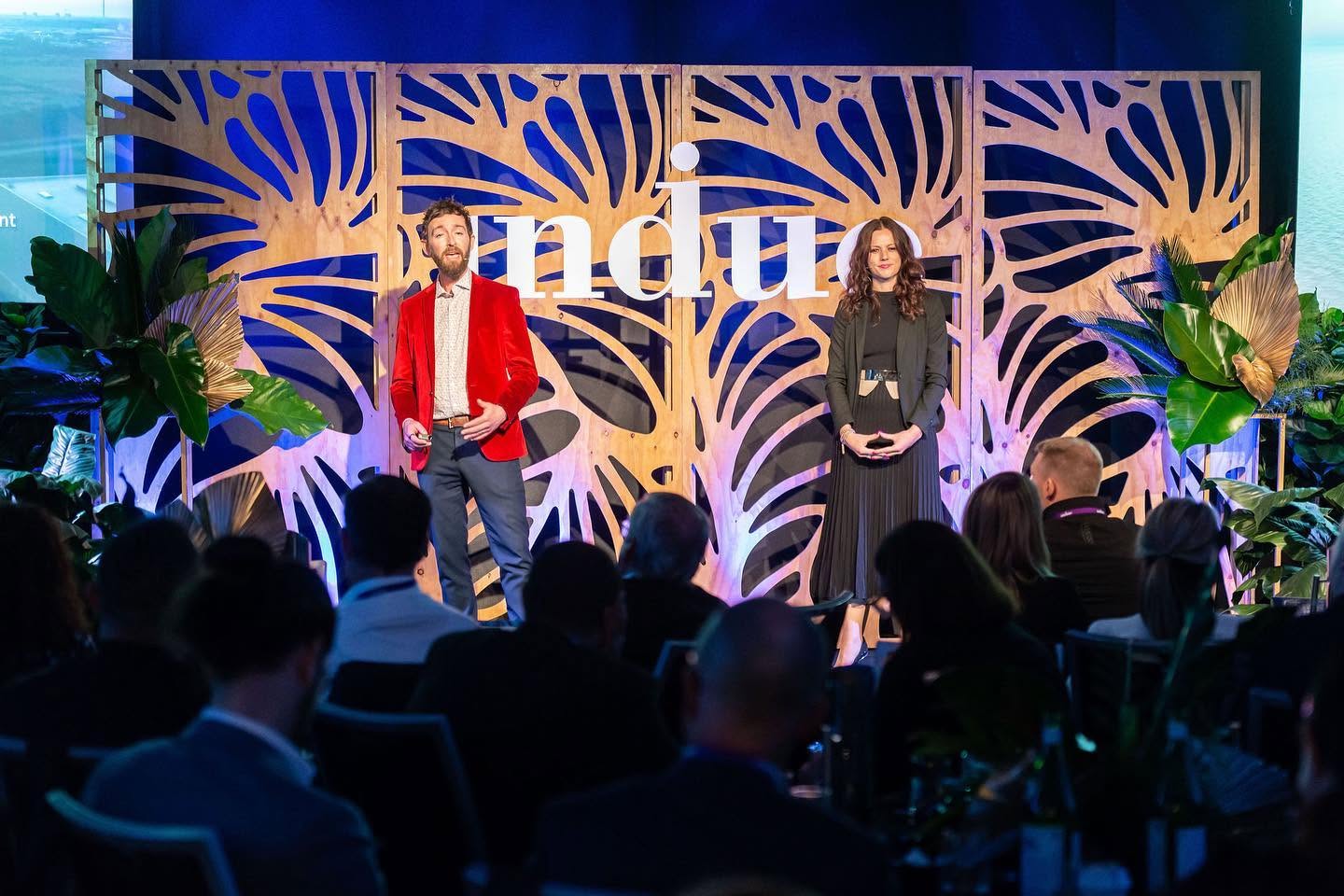
From keynotes Rebecca and Tāne have delivered across Australia and internationally, including through their work with global futurist group Future Crunch.
"Tāne and Rebecca were fabulous… their presentation was forward thinking, informative, entertaining, and resonated with the group. They were highly motivating and uplifting… I would highly recommend."
Roz Skilton
Events Manager, OrthoTech
Rebecca and Tāne have taken the stage at
World Vision · INTERPOL · Dell · ANZ · Toll Group · Forbes Australia · Torrens University · University of Melbourne · OrthoTech · WAPPA
Let’s talk
Tell us about your audience and what you want them to leave with. We’ll help shape the right keynote or workshop for your school, university, organisation or event.
Prefer email?
hello@humanityschools.comMake an enquiry